
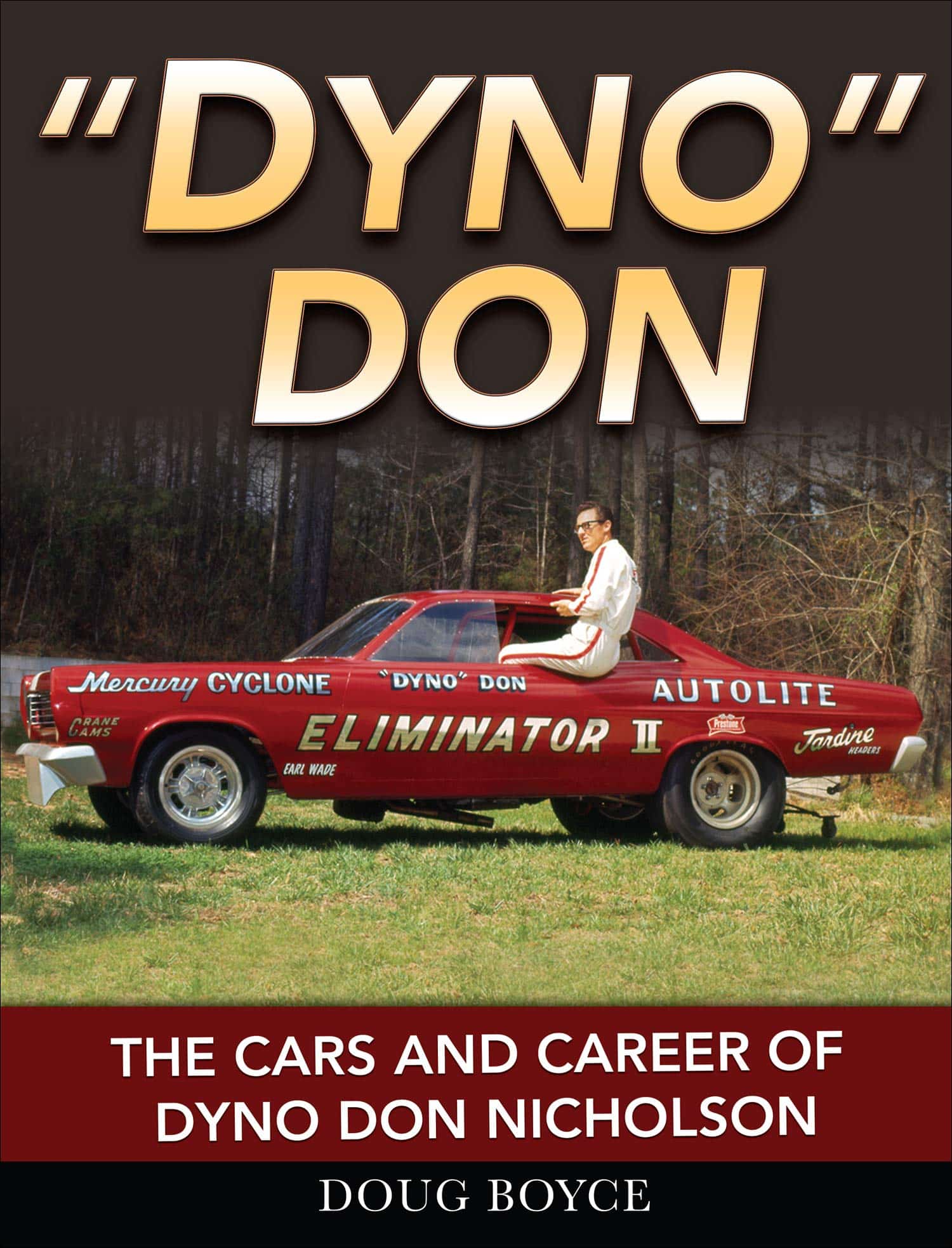
Relive the roar of “Dyno Don” Nicholson’s iconic drag racing cars from Chevrolet, Mercury, and Ford and dive into at his legendary career with the detailed accounts in this book.
Nicholson’s first wins on a national level were actually in the early 1960s in Chevrolet products. He became extremely successful on the match-race circuit. Then, in 1964, he switched over to Mercury with the new Comet after General Motors enacted a factory ban on racing activities. He won 90 percent of his match races that year. He stuck with Ford and Mercury products and won throughout the 1960s and 1970s, even after Ford also pulled the plug on factory team sponsorship. He made it to the final rounds in nearly 50 national events during that period, in addition to winning championships, awards, and match races along the way.
Drivers often became associated with a particular manufacturer, such as Chevy, Ford, or Chrysler through sponsorship, factory team rides, or sometimes simply their own preference. The more successful drivers became household names in the drag racing community. Chevy had Grumpy Jenkins, Pontiac had Arnie “the Farmer” Beswick, Mopar had Sox & Martin and Dandy Dick Landy, and Ford’s most successful driver of the era was the legendary “Dyno Don” Nicholson.
If you are a fan of a certain era of racing, a Ford fan, or certainly a “Dyno Don” fan, this book will be a welcome addition to your library.
From the Publisher
Relive the roar of ‘Dyno Don’ Nicholson’s iconic drag racing cars from Chevrolet, Mercury, and Ford and dive into at his legendary career with the detailed accounts in this book.
Nicholson’s first wins on a national level were actually in the early 1960s in Chevrolet products. He became extremely successful on the match-race circuit. Then, in 1964, he switched over to Mercury with the new Comet after General Motors enacted a factory ban on racing activities. He won 90 percent of his match races that year. He stuck with Ford and Mercury products and won throughout the 1960s and 1970s, even after Ford also pulled the plug on factory team sponsorship. He made it to the final rounds in nearly 50 national events during that period, in addition to winning championships, awards, and match races along the way.
One of Don’s fondest memories was winning his first national event, the Winternationals in 1961. He recalled the thrill of coming down the return road that passes by the Pomona grandstands and seeing everyone standing and cheering him. Rather than towing the car to the track (as his competition did), Don drove his Impala as a way to heat the oil in the driveline to create less friction. (Photo TEN: The Enthusiast Network. All Rights Reserved.)
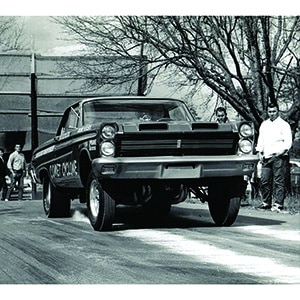
Don’s record of 76 match races with just two reported losses helped establish Mercury’s drag race reputation in 1964. Don stated that one of the reasons they put him in the coupe was “because everybody on the Mercury team started complaining about the station wagon because I had the quicker car.” (Photo Courtesy Forrest Bond)
In a 1965 poll conducted by Drag Racing magazine, Don was ranked number-one fan favorite and dragstrip draw. He repeated in 1966 and 1967. In addition, Super Stock & Drag Illustrated magazine voted him driver of the year in 1965. And it’s no wonder; he had just five losses on the season. Note the powder rosin laid out. Burning through the rosin made for super bite and crowd-pleasing wheels-up launches. (Photo Courtesy Randy Hernandez)
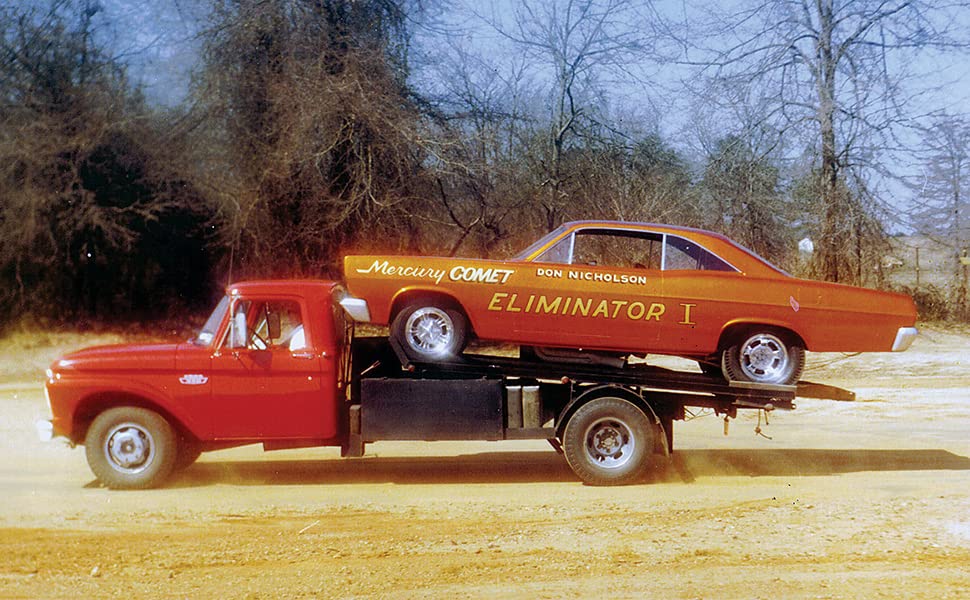
It must have felt like Christmas all over again to Don when he was handed the keys to the rig and Comet. When looking for the roots of today’s flip-up Funny Car, you need to look no further than Don’s 1966 Comet. Don’s was the first built and the first to debut. (Photo Courtesy Nicholson Family Collection)
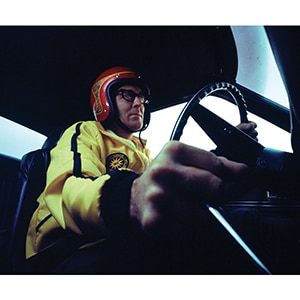
When it came to rowing a 4-speed, Don should be ranked as one of the best. Here he’s about to give the Hurst in the Super Cat Cougar a workout. (Photo TEN: The Enthusiast Network. All Rights Reserved.)
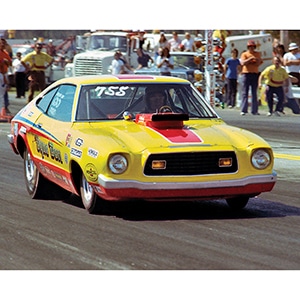
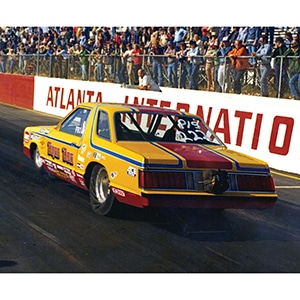
Although 1976 was a bit of an off year, by Don’s standards, by the end of the season he had hired Jon Kaase full time and things began to turn around. Ford’s strongest hope is seen here early in the season at the NHRA Gatornationals. Don fell to the Monza of Grumpy Jenkins, who was the 1976 points champ. (Photo Courtesy Tom Schiltz)
By the latter half of the 1970s, the 340-ci Cleveland was Don’s NHRA legal “go-to” mill. Although he tried different combinations, down to 330 ci, he found no advantage. (Photo Courtesy Nicholson Family Collection)
Publisher : CarTech; Illustrated edition (July 2, 2018)
Language : English
Paperback : 176 pages
ISBN-10 : 1613254059
ISBN-13 : 978-1613254059
Item Weight : 1.3 pounds
Dimensions : 8.5 x 0.38 x 11 inches